
Use ethical investment to lower your carbon footprint
Understanding the steps that you can take

When it comes to reducing the environmental impact of your short-term rental business, you might think about your energy usage, your water consumption, and perhaps your plastic waste. But have you considered whether you’re making ethical investments?
With £88 billion of UK pensions invested in fossil fuel companies, a sizeable chunk of your business’s carbon footprint might be hidden in your finances. Do you know where your financial providers are directing your money?
If you’re a vacation rental property manager searching for effective ways to reduce your carbon footprint, your finances are a good place to start. We’re going to explain what we mean by ethical investment, and how you can incorporate it into your financial planning.
What is ethical investing?
Ethical investing is a process by which an individual or business incorporates ethical considerations into their choice of investments. These considerations might stem from religious, political, or social values.
For example, if you’re concerned about the devastating impacts of the climate crisis on human, plant, and animal life, then you might avoid investing your money in oil and gas. If you want to go a step further, you could actively search for ways to invest your money in clean energy solutions.
Why ethical investments matter
Ethical investments matter because money matters. As individuals and business owners, we have control over what we choose to fund. If we continue to collectively invest in fossil fuels, then we choose to fund the climate crisis itself, rather than the solutions which can solve it. That’s why it’s important that we choose our suppliers carefully, whether they supply us with cleaning products or bank accounts.
Sustainable investments boost your brand

Ensuring that your revenues fund projects which align with your values also adds weight to your sustainability marketing. Rather than falling into the dreaded greenwashing trap, you’re literally putting your money where your mouth is. If you can demonstrate transparency and integrity in your financial decisions, you’ll attract both property owners and business investors.
Do ethical investments make money?
It’s important to note that you’re never guaranteed a return on any investment, ethical or not. The returns you see will always depend on the specific funds in which you choose to invest.
However, as a business owner, two of your key financial decisions are likely to be your choices of business banking and pension scheme providers. In both cases you want your funds to be safe, and to have a reasonable chance of long-term growth. To that end, choosing providers who invest in steadily growing ethical sectors, such as renewable energy, may be a key factor in your decision making.
How to invest ethically as a short-term rental property manager
Implementing an ethical investment strategy doesn’t mean that you need to immediately start moving all of your business’s funds to new financial providers. You can take this process step-by-step, and move as quickly as your time and energy allows.
The first step is simply to reacquaint yourself with your own finances…
Investigate your money’s current environmental impact
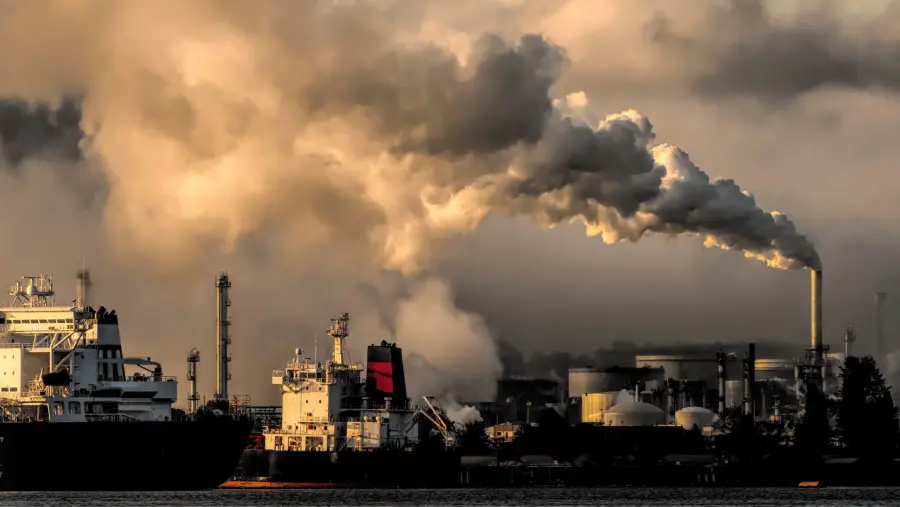
It’s very easy to choose a bank or a pension provider and stick with them over the years simply because it’s easier than switching. Some financial providers rely on this complacency to make unethical decisions right under your nose.
It’s time to take a closer look at your:
- Business bank accounts
- Pension provider
- Investment portfolio
- Personal bank accounts
The funds that you and your employees contribute to these pots might be going towards tobacco, oil and gas, deforestation, and even firearms, without you having any idea. In order to better understand how your money is being used:
- Ask your pension provider for a full breakdown of the funds to which you and your employees are contributing.
- Examine who your bank is lending to. Are they choosing to support oil and gas companies?
- If you have one, re-examine your investment portfolio. Which of your funds produce a transparent, detailed sustainability report?
Unearthing this information can feel confusing and time-consuming. Luckily, there are a number of tools available to help you. For example, MotherTree helps you to calculate the carbon footprint of your money (if you’re based in the UK). This is a good starting point to help you understand how sustainable your money currently is.
Evaluate your short-term rental business’s ethical priorities
Before you decide which new providers to choose, it’s important to clarify what you want from your ethical investments. Your criteria are likely to fall into one of two broad camps:
- You might decide that it’s enough for you to remove your funds from providers who are investing in fossil fuels.
- Alternatively, you might want to actively redirect your funds towards specific initiatives, such as clean energy or marine protection projects.
Sharing this decision-making process with your team helps to boost employee engagement. If your staff members see that you’re committed to running a values-driven business, they’re likely to feel more invested in the work they’re doing. They might even reconsider their own personal financial decisions. You’ll solidify employee loyalty, and retain great talent.
Switch financial providers
Once you’ve established your ethical boundaries, it’s time to find financial providers who work within them. This might feel like a daunting task, but it doesn’t have to be. Services such as Bank.Green will show you the extent to which your bank is funding fossil fuels, and then suggest fossil-free alternatives.
Bank.Green has even started the Fossil Free Banking Alliance. Membership of this alliance certifies that a financial institution doesn’t lend to, or underwrite, fossil fuel companies. If a bank is Fossil Free certified, you can be sure that it doesn’t fund fossil fuels.
Remember, you don’t need to switch everything at once. Begin with your pension provider, or with one of your banking providers, and work forward from there.
Future-proof your vacation rental business with EnviroRental
In the coming decades, we’re going to see significant moves towards a green economy and green business practices. Short-term rental businesses will need to respond to more stringent environmental regulations and a growing desire for sustainable accommodation amongst travellers.
Getting ahead of the curve by implementing sustainable business practices brings a whole wealth of benefits:
- Save money on energy bills
- Avoid unexpected costs as regulations change
- Stand out to eco-conscious travellers
It’s simple: sustainable business practices are smart business practices. Read about how the team at Click Book Stay, an independent self-catering agency, have embedded sustainable practices into their operations.
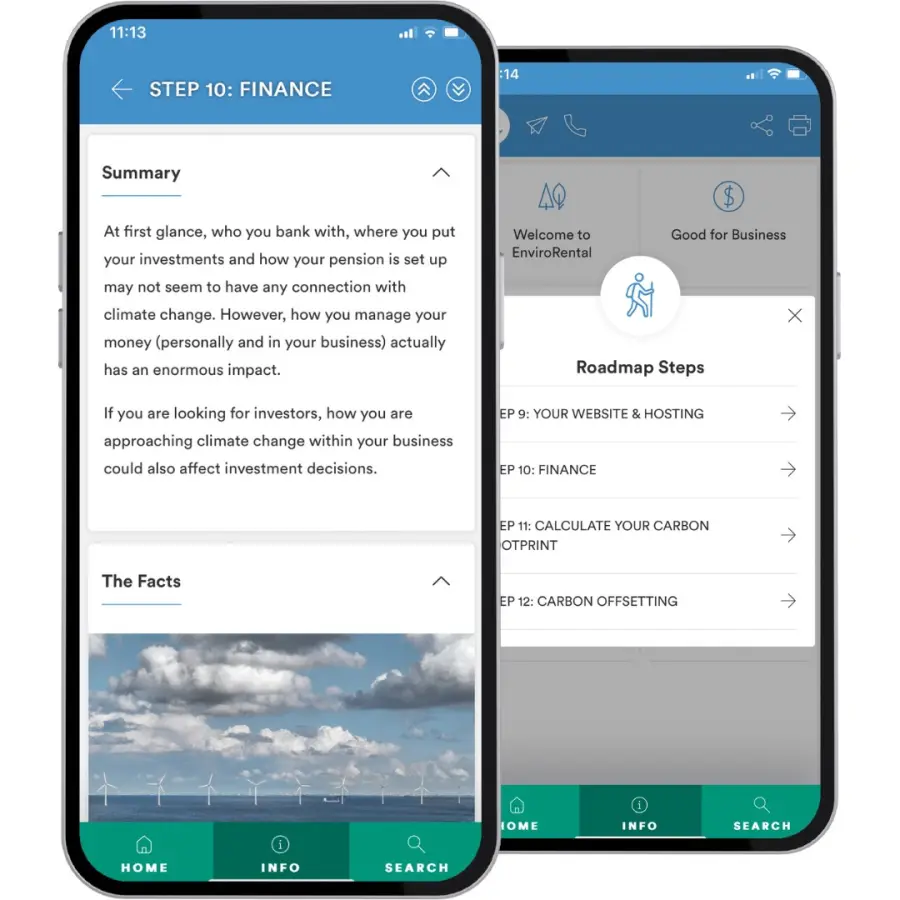
Wherever you are in your sustainability journey, the EnviroRental Sustainability Roadmap offers concrete strategies to help you take your next step. From ethical finances to plastic waste reduction, there’s something for everyone.
If you want to explore further, you can dive into our blogs, webinars, and industry research. And the best bit? It’s all completely free. Subscribe today and do the right thing for your business, your community, and the planet.
Disclaimer
EnviroRental does not provide financial advice. EnviroRental will not be held responsible for any financial losses or customer service problems related to the choice of product or provider mentioned on this website.
Explore Other Resources:
Explore More EnviroRental Resources

How to get your sustainable vacation rental listed on eco-booking platforms
Make your holiday rental stand out with eco-booking sites: steps, sites & strategy

2025 Booking.com Travel & Sustainability Report
If you run a short-term rental, here’s how this analysis could shape your strategy going forward.

Booking.com 2025 Sustainable Travel Report
Booking.com released the 10th edition of its annual research exploring consumer attitudes and intentions regarding the social and ecological impact of travel