
Selecting sustainable suppliers for your short-term rentals
How the right suppliers can help your STR go green

We all know that sustainability is the way forward for vacation rentals. But let’s be real for a moment—how often do we stop and think about the eco-credentials of the suppliers we work with? It can feel like one of those “nice-to-have” extras, but in reality, it might just be the game-changer for your business.
If you manage or own short-term rentals, it’s worth pausing to ask yourself this: are your suppliers helping you meet the expectations of today’s environmentally conscious guests? These travellers aren’t just looking for a place to crash—they’re searching for places that reflect their values and enhance their holiday experience. And here’s the kicker: the choices you make in your supply chain can make or break that connection. Plus, with regulations around environmental standards getting stricter, staying ahead of the game can save you from messy compliance issues or fines down the road. Let’s face it, no one wants that kind of hassle, especially when it could tarnish your hard-earned reputation.
And here’s another thing—where you spend your money really matters. Every pound, euro, or dollar is a chance to support businesses that are actively working towards a greener future. Think about it this way: your investment doesn’t just benefit your business—it also helps drive meaningful change. That’s a win-win if there ever was one!
So, next time you’re choosing suppliers, make it count. To make things easier, we’ve put together this guide to help you figure out if your suppliers share your eco-conscious goals, how to choose the right ones, and where to begin. Let’s dive in!
Approaching sustainability with your STR suppliers
When you’re starting your journey towards sustainability in your rental business, it might seem daunting to scrutinise every supplier’s sustainability credentials. Also, the fear of greenwashing—where companies make misleading claims about their sustainability practices—can be a real concern. However, taking small, practical steps can make this process more manageable and relatable. Here’s how to approach it:
1. Start with what you know
Begin with assessing the sustainability practices of your current suppliers. You don’t need to become an expert overnight, but starting with simple observations can be effective. These initial observations can give you a basic idea of where they stand.
- Look at their packaging—are they using unnecessary plastic? Do they offer any information about their energy use or waste management?
- Look for relevant information in sections like “About Us,” “Sustainability,” or “Corporate Social Responsibility” on their websites, which often contain sustainability reports or updates.
- Request documentation such as ESG reports, third-party labels and certifications like ‘BCorp,’ ‘Sustonica badge,’ or case studies that demonstrate their commitment to sustainable practices.
- Consider how these suppliers contribute to their local or global communities. Evaluate how they give back or support community initiatives. This can include anything from local charity involvement to global environmental projects.
Sustainable supplier spotlight – Who Gives a Crap
When selecting suppliers for your short-term rental business, it’s wonderfully impactful to choose companies like Who Gives A Crap. They are world-renowned for their top-notch, environmentally friendly products, like toilet paper, tissues, and paper towels made from 100% recycled paper or sustainable bamboo. What sets them apart is their commitment to a significant cause—donating a whopping 50% of their profits to global sanitation and clean water projects! Forward-thinking industry leaders like Host & Stay already trust them across their extensive property portfolios. Opting for such supplies does more than just fulfil your amenities checklist; it amplifies the impact of every pound spent towards crucial global initiatives.

2. Have conversations
You don’t have to handle this alone. Reach out to your suppliers and have a straightforward conversation about sustainability. Ask them if they have any existing green policies or if they’re planning any sustainability initiatives. Ask if they have someone responsible for driving green initiatives, like a sustainability manager. If they do, express your own goals to become more sustainable and see how they can help you achieve these objectives. This makes the topic more approachable and helps build stronger working relationships with your suppliers.
Remember, it is important to ask the hard questions
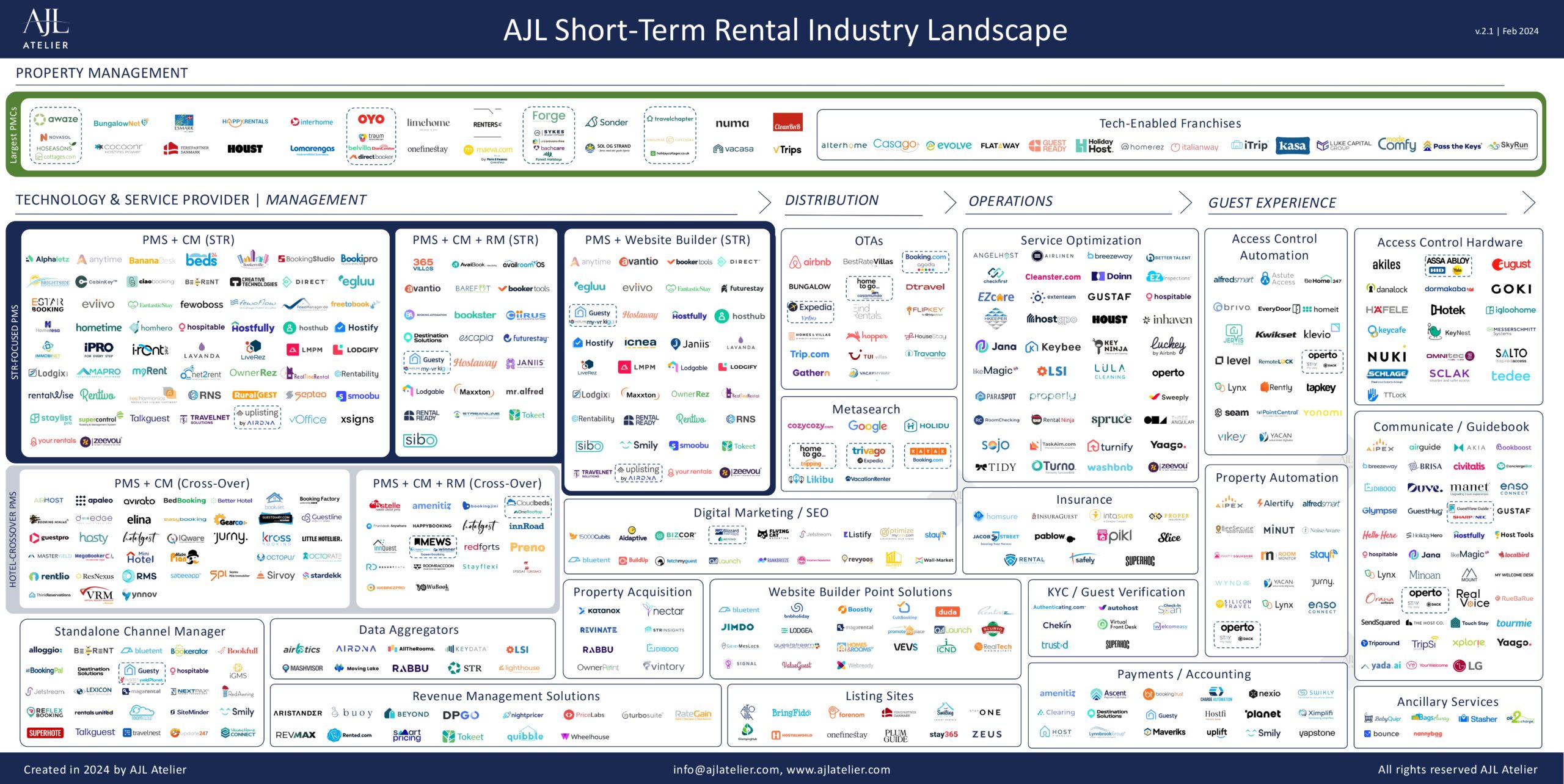
The short-term rental landscape can be quite diverse, as suggested by this fabulous infographic by AJL Atelia. As is often the case, many companies use buzzwords like “eco-friendly” and “green,” but do they truly back them up with meaningful action? Are they actively supporting environmental or social causes? Are they part of initiatives like EnviroRental, which partners with sustainability-driven businesses to create real impact? If not, why not?
If a supplier can’t show you what they’re doing beyond selling “green” products, ask them:
- What sustainability initiatives do you actively support?
- Do you contribute to any carbon offset programs or environmental charities?
- How do you measure and improve your sustainability impact year on year?
If their answers are vague or full of marketing fluff, why should you trust them over a competitor who is actually making a difference? The truth is, every choice you make—where you buy your cleaning supplies, your linens, your guest amenities—either supports a truly sustainable business or just another greenwashed brand. And don’t forget to consider your tech stack too!
Let’s go hard on this. Your suppliers should be partners in sustainability, not just vendors. So next time you’re about to sign that contract, dig deeper. Because in 2025, “green” isn’t a marketing gimmick—it’s a responsibility.
3. Provide resources and guidance
If your current suppliers are lacking in sustainability, offer resources or share what you’ve learned about simple sustainable practices. Sometimes, suppliers are willing but unsure where to start. You can suggest easy changes like switching to digital invoicing to reduce paper use, or recommending local recycling programs they could participate in. This helps you to be a part of their sustainability journey, creating a collaborative environment.
4. Choose one sustainability criterion for new suppliers
When looking to bring new suppliers on board, simplify the process by focusing on one key sustainability criterion at first. For instance, you could decide that any new supplier must use recycled materials in their products. This single criterion can significantly narrow down your options and make the selection process less overwhelming.
Sustainable Supplier Spotlight – Plaine Products
Plaine Products exemplifies the kind of solution every short-term rental should embrace to tackle the global hospitality waste crisis. Their singular focus on reusing aluminium bottles offers a simple yet powerful way to help reduce plastic pollution. By providing luxurious personal care products—like shampoos, conditioners, and body washes—that are packaged in reusable bottles, STRs can downsize the need for single-use plastics. Guests can take these bottles as keepsakes, refill them on-site with bulk options, or return them for free cleaning and reuse, ensuring a waste-free cycle. Beyond reuse, their products are thoughtfully crafted with vegan, palm-oil-free ingredients, free from sulfates, parabens, phthalates, and silicone. Making them both eco-friendly and gentle on the skin. Integrating solutions like these set your rental apart, providing guests with a thoughtful, sustainable experience they’ll remember.
5. Monitor and reflect
Once you’ve started making changes, keep track of any improvements or setbacks. For example, did switching to a supplier who uses recycled materials help reduce your overall waste? Keeping an informal log of these observations can help you understand what’s working and what isn’t. Allowing you to make more informed decisions as you progress on your sustainability journey.
6. Share your experiences
Make your journey relatable to others by sharing your experiences. Whether it’s through social media, your business’s website, or casual conversations with guests, talking about the changes you’re implementing can inspire others.
What to look for when choosing sustainable suppliers
When it comes to choosing sustainable suppliers, it’s essential to focus on a few practical yet impactful measures:
1. Alignment with your sustainability goals
First and foremost, ensure the supplier’s practices align with your property’s sustainability objectives. Whether it’s reducing plastic usage or sourcing energy-efficient products, their values should complement your goals.

2. Sustainability clauses in contracts
Embed clear sustainability standards into your supplier relationships. For instance, include clauses in your contracts that outline commitments to eco-friendly practices, such as using biodegradable packaging.
3. Product durability and efficiency
Remember, sustainable products shouldn’t just be eco-friendly—they need to be durable and effective enough to handle the demands of a busy rental property. This way, you’re not compromising on quality or functionality.
Sustainable Supplier Spotlight – Composty
For STR businesses, sustainability is important—but not at the cost of practicality. Composty gets it. Their award-winning Magic ‘Pop-Up’ Sponges and Loofah Scourers are as efficient as they are eco-friendly; tough enough to handle the everyday cleaning demands of a busy rental. Made from biodegradable materials like cellulose and loofah, these products break down in months, not centuries, leaving no trace behind. With products like Composty, you don’t have to choose between reducing waste and delivering top-notch guest experiences.
4. Cost-effectiveness of sustainability
Cost-effectiveness is another key factor to keep in mind. While some sustainable options might come with a higher initial price tag, their long-term benefits—like reduced energy bills or fewer replacements—often outweigh the upfront investment.
5. Pilot testing new products
If you’re unsure, why not start small? Order a trial batch of new products to see how well they work before committing. It’s a low-risk way to test the waters and make adjustments as needed.
6. Promoting your green initiatives
Use your digital presence—through blogs, newsletters, or social media—to share your efforts, successes, and even challenges in integrating sustainable practices. This will go a long way with eco-conscious travellers, plus inspire your peers to follow suit.
7. Community benefits
Understand the impact of supporting sustainable suppliers on the community. When choosing suppliers, inquire how they measure the success of their sustainability efforts and the benefits they deliver locally. Do they boost the local economy by employing area residents or sourcing materials nearby?

8. Insights from on-the-ground staff
Your team can also be an invaluable resource in this process. Cleaning and maintenance staff, for instance, are often on the front lines and can offer great insights into which products are both practical and sustainable.
Sustainable Supplier Spotlight – ETI Solutions
Each short-term rental business is unique, with its own set of operational challenges and efficiency goals. This is where suppliers like ETI Solutions become invaluable, offering customised approaches that balance practicality with sustainability. With over 25 years of expertise in cleaning and sanitation, ETI understands the specific needs of STRs, providing innovative solutions like their Drop n Go concentrates, made with EPA “Safer Choice” ingredients, to minimise waste and ensure safety. Their patented automated toilet paper dispensers reduce consumption by 55%, while eco-friendly bamboo toilet paper, jumbo roll towels, and tissue further elevate environmental standards.
Remember, your influence doesn’t stop at your immediate network. By consistently prioritising sustainable practices in your business dealings, you encourage a ripple effect across the industry. Demanding accountability from your suppliers pushes them—and others in the supply chain—to adopt greener practices. This collective momentum can lead to significant environmental impact, reinforcing the idea that small, individual changes contribute to larger, systemic transformation.
The EnviroRental Marketplace – find your next green supplier
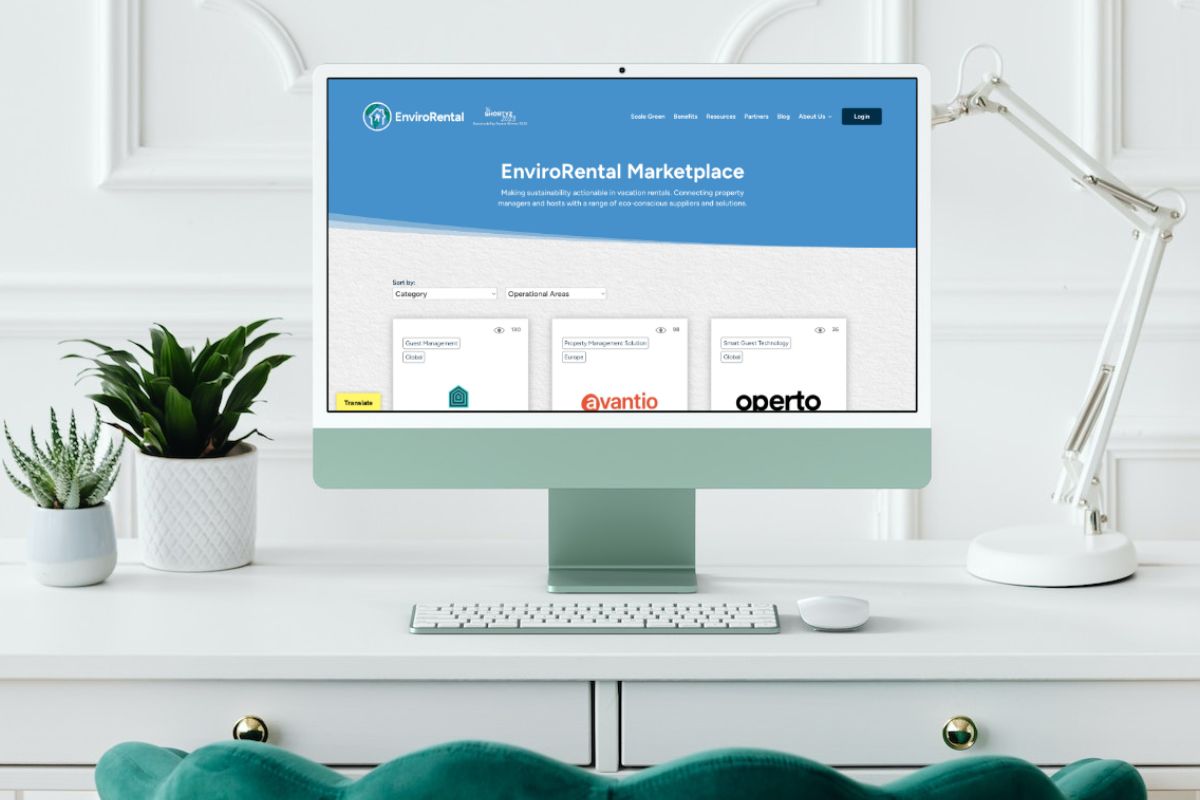
Looking for a platform that connects you with industry suppliers who are committed to sustainability? Look no further than the EnviroRental Marketplace! Here, you’ll find a comprehensive list of industry leaders, complete with their products, services, and sustainability efforts. Whether you need eco-friendly cleaning products or cutting-edge guest management technologies, our marketplace makes it easy to find suppliers that align with your sustainability goals. Explore our growing directory today and see if your current supplier is listed, or discover your next great partnership. Dive into the EnviroRental Marketplace now and take a step towards a more sustainable future!
Explore Other Resources:
Let’s not underestimate the power of small changes
We highly recommend checking out our bespoke collection of free EnviroRental resources, crafted exclusively for the STR industry, to help you confidently navigate your next steps towards sustainability.
Explore More EnviroRental Resources

How to get your sustainable vacation rental listed on eco-booking platforms
Make your holiday rental stand out with eco-booking sites: steps, sites & strategy

2025 Booking.com Travel & Sustainability Report
If you run a short-term rental, here’s how this analysis could shape your strategy going forward.

Booking.com 2025 Sustainable Travel Report
Booking.com released the 10th edition of its annual research exploring consumer attitudes and intentions regarding the social and ecological impact of travel