
Water saving strategies for short term rentals
Understand the ‘whys’ and ‘hows’ of saving water in STRs
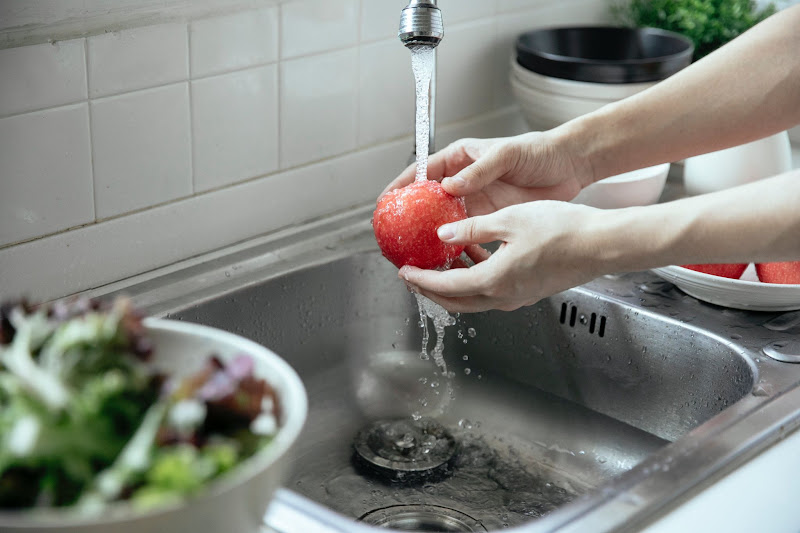
Often called the ‘potion of life,’ we all get very excited when water is found on the Moon and Mars. But, there’s a big problem on Earth. Many of us don’t have enough clean water to drink. The United Nations says that about two billion people, which is almost a quarter of the global population, don’t have safe water to drink. Also, about half of all people in the world face serious water shortages at some time during the year. These problems are getting worse because of climate change and population growth. And it does have a serious impact on short-term rental businesses.
Why are water-saving strategies important for short-term rentals?
The global water crisis is increasingly impacting guest experiences in short-term rentals worldwide, leading to rising costs and challenges. In regions like Barcelona, severe drought in 2023 has led to higher water bills. STR owners are facing the need to increase rental prices to cover these additional expenses. The necessity for more water treatment and reliance on desalination plants means higher operational costs for maintaining amenities, like swimming pools, gardens, and even basic water supply. Guests may also encounter restrictions on water usage, affecting their overall stay experience.
Here are a few good reasons why implementing water-saving strategies is important for your STR business:
- Early adaption to regulatory changes
It’s hard to predict when unexpected changes in government regulations, consumer preferences, or environmental conditions might occur. However, by adopting water-saving strategies ahead of time, your STR can be part of the solution. EnviroRental offers a range of free sustainability resources to support your conservation efforts, making them even more worthwhile.

- Connecting with conscious travellers
Travellers are increasingly interested in eco-friendly choices. More so, because water scarcity is considered a major concern, as witnessed in Mintel’s global consumer study on sustainability. By clearly showing that your short-term rental is dedicated to saving water, you can appeal to guests by doing the right thing and make your place stand out in a competitive market.
- Future-proofing against climate surprises
Irregular weather patterns and water scarcity can spoil the best-laid plans. Taking steps now, like checking if your insurance covers climate-related issues, can save you some severe headaches down the road. Here are a handful of simple, actionable steps by EnviroRental to help advance your sustainability journey.
- Being a good neighbour
Your short-term rental is more than just a place to stay. It’s also part of the local community. Being mindful of shared resources like water is responsible and helps your rental’s reputation. This builds trust and positive word-of-mouth in the community.
- The economic benefits of water saving
Effective water-saving strategies in short-term rentals can reduce utility bills, attract more eco-conscious guests, and qualify owners for government rebates and incentives. These factors together enhance financial gains while promoting sustainability. A win-win situation for all.
How to implement water-saving strategies at your STR?
We have identified some simple measures you can take in your STR business to begin and improve your water-saving efforts. These include measuring water usage, involving guests, and using technology. Let’s dive deeper into these practices:
- Measure, analyse, and act

- Measure current water consumption
Use existing utility measuring units or install water metres at your STR to obtain accurate data. This will help you understand and manage your current water consumption.
- Set a baseline
Track the water consumption over a specified period to establish a baseline. This baseline serves as a reference point to measure your progress over time. Consider factors such as the number of occupants and the various facilities utilising water.
- Take necessary actions
Implement your water-saving strategy by prioritising efforts based on urgency and importance. Immediately attend to urgent issues such as leaks, faulty equipment, or areas with unexpectedly high water consumption. Leaks, in particular, should be promptly repaired as they can contribute significantly to water wastage.
- Engaging your guests in water conservation
- Proactive communication: setting expectations early
Prior communication is important. It allows guests to align their expectations and participate in water conservation efforts. This can be achieved through thoughtful welcome emails or digital guides, wherein hosts transparently share their commitment to water conservation. For instance, one can encourage guests to bring refillable water bottles, emphasising the availability of their on-site water refilling stations and filters.

- Be simple and clear
Instead of generic statements like ‘be green’ or ‘save water,’ provide guests with straightforward instructions such as ‘operate the dishwasher and laundry machine with full loads only.’ Strategically place signs throughout the property as friendly reminders about water conservation. You can also include interesting water conservation facts to educate and inspire guests.
- Leave room for feedback
Make it easy for guests to share their feedback, like reporting any leaks or malfunctions in the bathroom as soon as they are noticed. This two-way communication ensures that guests and hosts actively contribute to water management efforts.
- Setting up water-saving technologies

- Smart technologies your guests can acknowledge
By adopting guest-friendly technologies, STR businesses can elevate guests’ experiences while contributing to water conservation. Here are some amazing gadgets you can set up in your STR business:
- Low-flow showerheads
Low-flow showerheads can easily replace traditional ones. They provide guests with a satisfying shower experience while reducing water usage. Sustonica suggests that while a standard showerhead utilises about 9.5 litres of water per minute, a low-flow alternative uses approximately 7.6 litres per minute. For a guest taking a daily 10-minute shower, this transition could result in an impressive annual water savings of around 6,935 litres per person.

- Dual-flush toilets
Another impactful technology is dual-flush toilets, offering guests an intelligent option for water conservation. These toilets feature two flush options: a low-volume flush for liquid waste and a high-volume flush for solid waste. A conventional toilet typically uses about 13.2 litres per flush, whereas a water-efficient toilet uses a mere 4.8 litres per flush. With an average of 5 flushes per day, this innovation could lead to an annual water savings of approximately 15,330 litres per person.
- Tap aerators
In addition, attaching aerators to water taps at your STRs presents a simple yet effective solution. These small attachments mix air with water, creating a consistent, high-pressure stream while using less water overall. They are particularly advantageous for activities like handwashing or dish rinsing. The use of an aerator can save you up to 1,274 litres of water per month. This means your STR will need to use less energy to heat that water as a result.
- Smart technologies essential for effective property management
Property owners and managers have a dual commitment to the environment and business operations. To fulfil this, water-saving technologies, such as those under consideration below, can be put to use.

- Smart irrigation systems
They are valuable for properties with gardens, lawns, or landscaping. These systems leverage weather data, soil moisture levels, and specific plant requirements to optimise watering schedules. The benefits extend beyond conservation, as these systems contribute to reduced water bills and maintenance costs. It is true that standard clock-based controllers can provide a great start. However, one can advance their water-saving efforts using such smart technologies. U.S. Environmental Protection Agency (EPA) studies suggest an irrigation controller can reduce water use by 56,000 litres annually on an average property.
- Rainwater harvesting system
STRs can install rainwater harvesting systems to collect and store rainwater for non-potable uses. This minimises reliance on mains water supplies. With adequate storage and efficient filtration, the technology can serve various purposes, such as garden irrigation or flushing toilets. Rainharvesting Systems suggests properties equipped with such facilities can save between 40% and 50% on their water bills, offering environmental and financial benefits.
- Leak detection devices
Smart leak detection devices can help STRs identify and resolve plumbing issues before they become more serious. These devices provide real-time alerts via smartphone notifications, enabling them to address leaks right away. According to estimates from the EPA, fixing easily corrected household leaks can save an average household approximately 37,854 litres of water annually.
Get more actionable tips with the EnviroRental sustainability resources
While there isn’t a one-size-fits-all solution for water conservation, there is a reason for hope. By collectively adopting water-saving practices on various fronts, we can create a more substantial and impactful change. Ensuring a sustainable future for your business and the guests experiencing it.

With our extensive hub of free sustainability tools, EnviroRental is your go-to resource to start (or continue) your green journey. From informative blog articles and webinars to handy carbon measurement guidance, we’ve got everything you need.
Subscribe today, and stay at the cutting edge of guest expectations.
Explore Other Resources:
Explore More EnviroRental Resources

How to get your sustainable vacation rental listed on eco-booking platforms
Make your holiday rental stand out with eco-booking sites: steps, sites & strategy

2025 Booking.com Travel & Sustainability Report
If you run a short-term rental, here’s how this analysis could shape your strategy going forward.

Booking.com 2025 Sustainable Travel Report
Booking.com released the 10th edition of its annual research exploring consumer attitudes and intentions regarding the social and ecological impact of travel